Tag: horror

Chapbooks, Poetry, and the Short Form in 2019

As I missed adding to the wealth of New Year blog posts on writing resolutions, veganism, teetotalism, and other ‘isms’, shouldn’t we have a spring look-at-me update about the projects lined up? Thought so.

In the winter of 2018, I took the initial draft of my novel from the locked drawer for the first time in two years. Shortly after, it went back. I might continue with the urban fantasy – I’m still in love with the story – or I might not. Plenty of first novels stay hidden indefinitely, and had this been only a stepping stone to a new plot? Whatever the gods decide.

What am I doing, then? Four projects, since you asked.

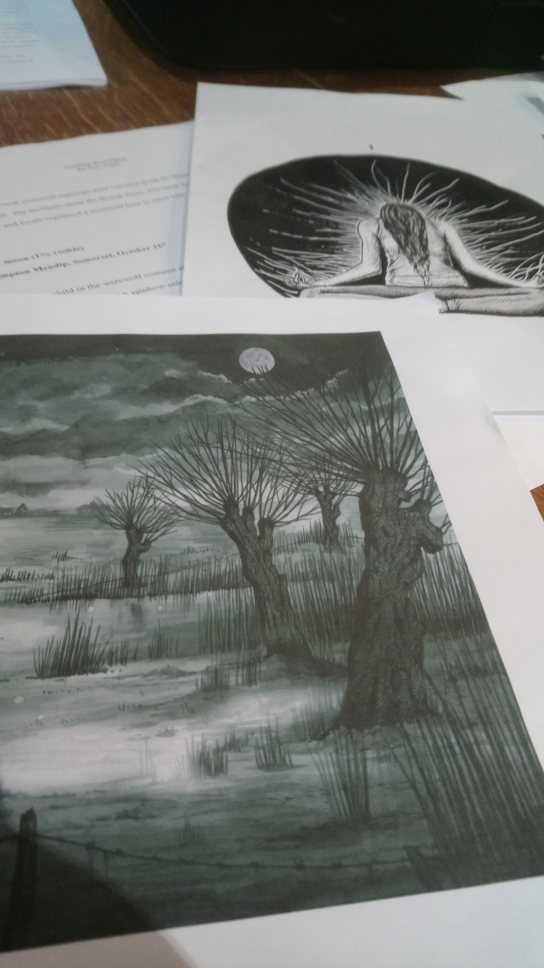
The first, and one that’s got me stoked as it nears fruition, is Rewilding, a chapbook to be published with the illustrator and anarchist, Mutartis Boswell. The story, (written, critiqued, rewritten, beta-read, rewritten, edited, rewritten and proofed :-)) explores the themes of abuse, isolation and instinct. The project is allowing Bos to experiment with inks and atmosphere, and comfort zones too. We’re looking to print using some pretty old machinery by experienced printers to gain an impressive look and touch to our product. Watch out for details of the Kickstarter on here and social media as there’ll be a chance to pick up a signed copy of the chapbook, along with artwork that captures the text and dons the many masks of the Speculative including Folk Horror.

Rewilding coffee

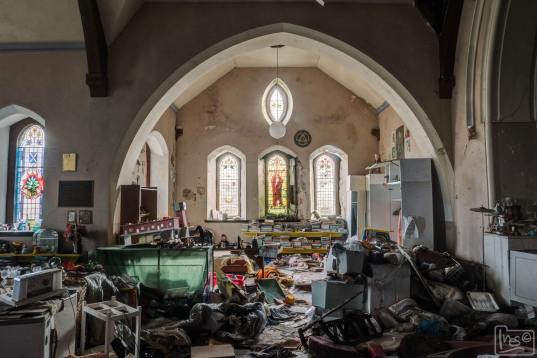
Next up, a collaboration with the ace Belgian photographer, Ines Adriaens, for her abandoned places project. Ines, a master at capturing atmosphere, sent me and two other writers a variety of images and asked us to write pieces inspired by them. This project has allowed me to engage in the highly concentrated, powerful form of poetry. I am lucky to have four pieces in this photography book which will hopefully be available this year.

Ines promo

I was both excited and nervous when Joffre White asked me to work together on the short story collection, The Gateway, a Speculative examination of the grit trapped in Western society’s shell, mainly because our writing styles wave to each other from across a chasm. Joffre is a UK Patron of Reading, Reading and Writing Motivator, and an author, he’s also a cracking guy to work with. The project is almost like a writing exercise, and I’m able to play with shorter length and streamline my writing style using character-driven stories.

Lastly, a collection of my own short fiction yet to be titled is in progress. A brew of horrors seasoned with a pinch of magic realism. The plan is to feature mostly published work after revision, with a couple of bonus new ones. The word count is currently at 50,000.

The opportunity to work closely with these talented artists is precious and, I’m sure, will lead to some amazing work. Should be a good year! Certainly busy.

Nash

By The Graveside

the-blue-hour

As Ophelia waved her tail in farewell and our very own Brian approached with all the stormy power its name suggests, our Tales From The Graveyard, the proposed tour of Arnos Vale with accompanying fiction, was limited to the Anglican chapel that crowns the cemetery’s hill.

The austerity of the building combined with candlelight shadows was the perfect gothic setting for our readings of the macabre and the horrible. And with an added soundman, Rich Jeffery, there maybe an audio book of the event in the future.

Among the North Bristol Writers that took part were:

Pete SuttonMaria Herring who was reading a story by Kevlin HenneyChrissey HarrisonJustin NewlandClare DornanJay MillingtonIan Millsted, and Piotr Sweitlik,

With the poet B Adriaens reading my contribution this ghoulish evening was concluded.

With thanks to the Arnos Vale staff – great coffee, by the way – and, of course, our audience – I hope you enjoyed it as much as we did!

Look out for the Tales From The Graveyard print anthology in 2018

Tales From The Graveyard

Come along to Arnos Vale Cemetery in Bristol on October 19th, when my story, We Are Gathered, will be read among the headstones.  Other members of North Bristol Writers will also be reading their new work. Visit the event page on the AVC website for more details.

OLYMPUS DIGITAL CAMERACome along to Arnos Vale Cemetery in Bristol on October 19th, when my story, We Are Gathered, will be read among the headstones.  Other members of North Bristol Writers will also be reading their new work. Visit the event page on the AVC website for more details.


Arnos Vale Cemetery

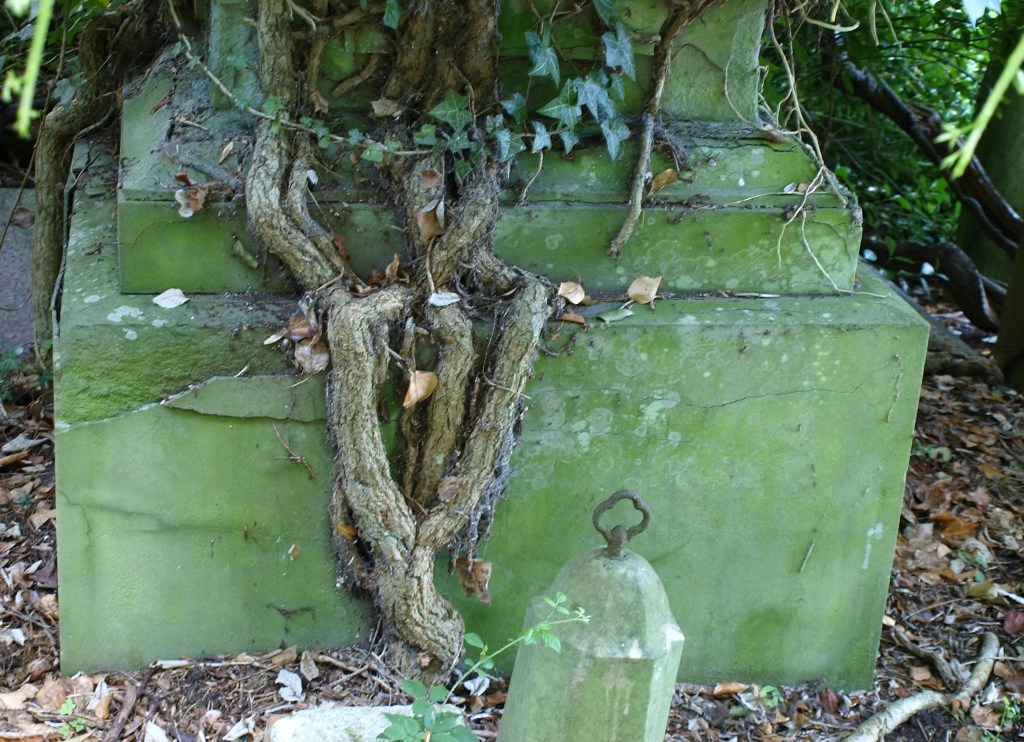
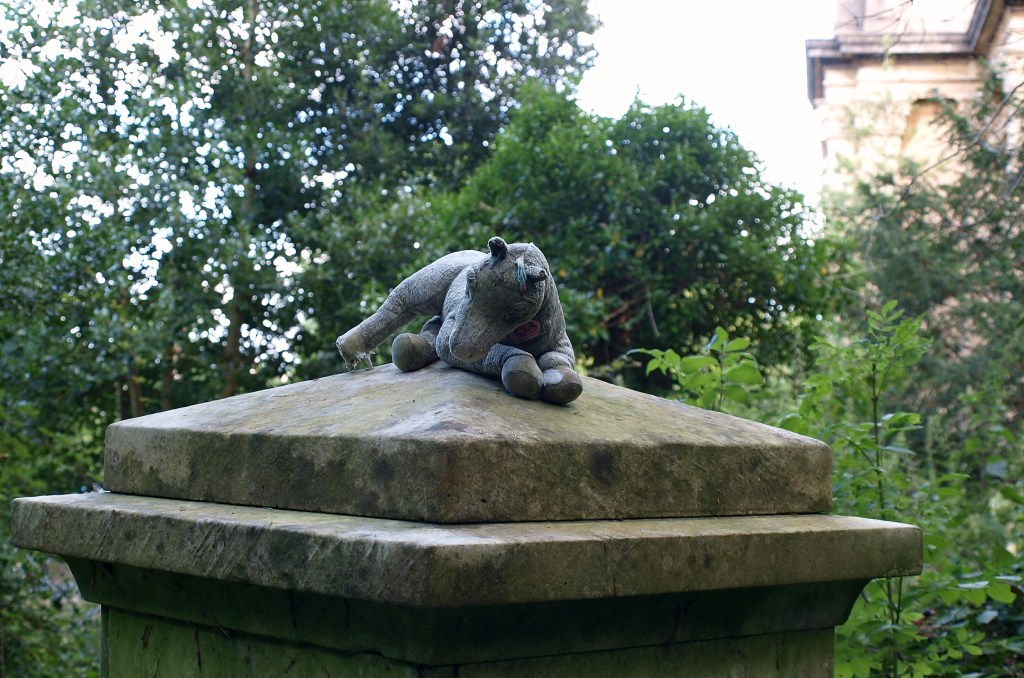
Took my son for a jolly in Arnos Vale Cemetery today – I know, he’s a lucky lad, right?

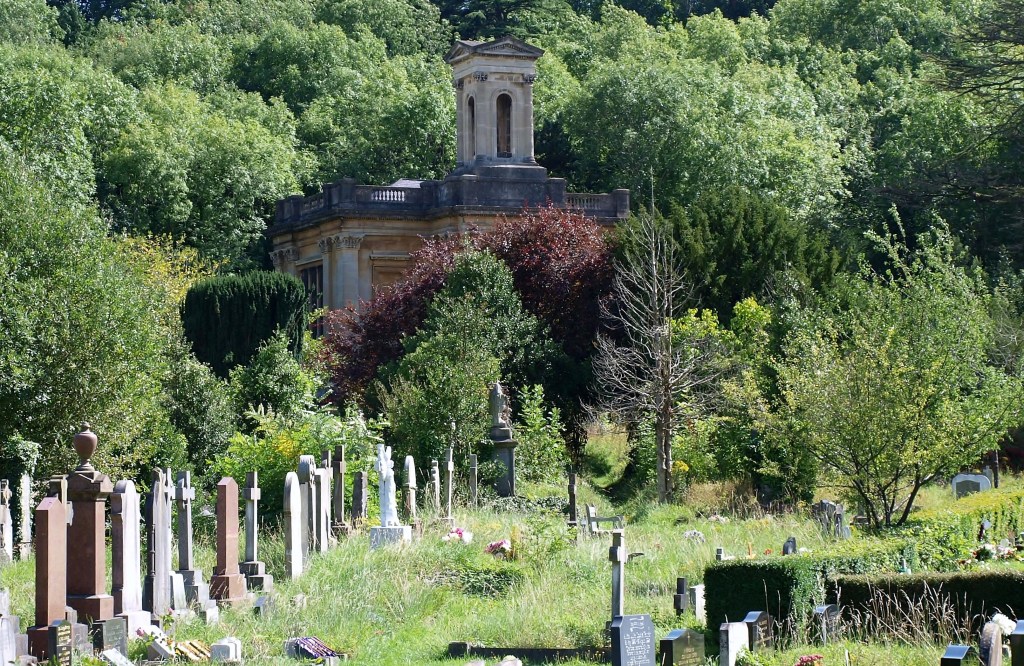
My work in progress, We Are Gathered, will hopefully be performed here in October, so I wanted to get a feel for the place. After an explore through the shadows and having collected over a hundred and twenty photos (ones featured salvaged from the mass of photobombings), I have enough to start on the second draft.

OLYMPUS DIGITAL CAMERAOLYMPUS DIGITAL CAMERAOLYMPUS DIGITAL CAMERAOLYMPUS DIGITAL CAMERAOLYMPUS DIGITAL CAMERA

Arnos Vale is a forty-five acre Victorian Garden Cemetery alive with nature trails, a Forest school, guided tours, hidden symbols, underground tunnels and weddings, in the heart of the vibrant UK city of Bristol. For more info, visit www.arnosvale.org


Holding Hands Uncovered

mythic3With Mythic, a new quarterly SF&F magazine publishing my piece of short fiction, Holding Hands, next month, I wanted to give you a little back story about this rather personal tale.

A while ago my son and I were having some difficulty getting on. After around six months of very little communication between us, either verbally or physically, we happened to be walking back from town, him trailing behind in silence like usual. As we did so, I felt his hand slip in mine. It was wonderful, brief, and a beginning.

It was that moment which I attempted to capture in writing, and from that, Holding Hands developed. I’m not proficient enough as a writer yet to have done that, but I’ve tried. I hope you enjoy the story.

Sssh … I’m Writing Horror, But Don’t Tell Anyone.

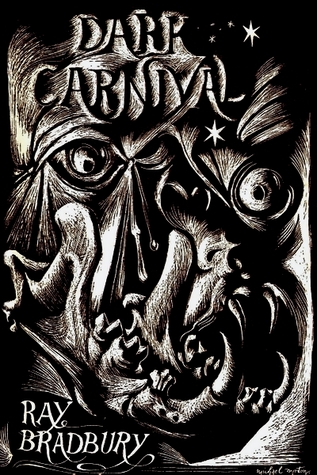
One of the tricks with writing horror, I think, is to not let the reader know that that’s what you’re doing. Allowing the reader to lose themselves in the writing may just be enough to blind their eyes to the terrors the writer is planning to unleash until those fiends bop the reader on the nose. That’s what happened to me when reading Bradbury’s The Emissary, originally published in Dark Carnival (1947). I’ll say here, that if you haven’t read it, then go and rectify that now (it is available for free online), and then return. Do promise to come back though.

When I was introduced to Bradbury, with the novel, Something Wicked This Way Comes, I found his frenetic style, his prose that seems to be an enthusiastic mish-mash of emotions and images, quite difficult to follow at first, but his lyricism has a magic to it that holds you to the story. Either that, or he’s just damn good fun! Fun; remember, the reader isn’t supposed to know they’re reading a horror story.

The Emissary is about Martin, a bed-ridden boy, his pet, Dog, and the “young, laughing, pretty school teacher”, Miss Chun Chang-cheon. The story fits into a horror subgenre and has childhood, loneliness, death as its themes. It’s a story about something that we all have some experience. It’s a story that makes us think, as all good horror and all good fiction does.

The skilful, very natural, way Bradbury narrates this story from the point of view of Martin produces powerful characterisation; we are there in that room with Martin, feeling what he feels, hearing what he hears. “Now, Martin heard dog returning through the warm afternoon sun, barking, running, barking again. Footsteps came following after dog. Somebody rang the downstairs bell, softly. Mom answered the door. Voices talked.”

Bradbury is adept at conveying the simplistic language and evolving thought processes of children which may reach the reader on some sub-conscious level and turn off the safety switches in our adult brain that prevent us from using our imagination too much, but more importantly, it immerses the reader into the main character’s world.

We have no description of the dog; even its name is Dog, reminding us that the pet is simply there to bring the outside world to Martin. “Over a tall hill, leaving footprints in the tall hills of leaves, down to where the kids ran shouting on bikes and roller skates in the Park, […] And down into the town where rain had fallen dark, earlier; and mud was under car wheels, down between the feet of week-end shoppers. […] And wherever Dog went, then Martin could go too; because Dog would always tell him by the touch, feel, the wet, dry, or weather-smell of his coat.”

By Martin’s act of putting a note around Dog’s neck, on which is written, “MY NAME IS DOG. WILL YOU VISIT MY OWNER, IS SICK? PLEASE FOLLOW ME!”, Bradbury conveys Martin’s desperation and loneliness, and thus endearing Martin to the reader.

The description of Miss Chun is brief but succinct: “way she smiled, […] her bright eyes, her soft chestnut hair, her quick walk, her nice stories about castles and people.” She is the only character that is described, and it happens in two places. It is the lack of description of the other characters (even the other visitors are only named and referenced by their occupation), that gives Miss Chun much more weight and importance.

His kind-hearted mum, the other character in the book, is significantly less detailed than the school-teacher, and is relegated to dialogue. As well as highlighting the importance of Miss Chun, this also shows a boy’s possible view of his mum, as a person that is ‘just there’, ‘just mum’.

If you haven’t read this story (what are you still doing here? I thought you were skipping over to it) then I’m not going to spoil your enjoyment by telling you the end. If you have read it, then you may agree with what I’m about to say. The conclusion is utterly brilliant in its simplicity and, for me a reader who was lost in Martin’s world, I never saw it coming. It was this that caused a chill to run down my spine when I reached the last sentence.
Dark Carnival.jpg

The Anatomy of Monsters vol 2

OPEN NOW FOR SUBMISSIONS:
THE ANATOMY OF MONSTERS VOL. 2
Collected by Robert Teun

(Twitter: @RDTEUN)
$25.00 PLUS COPY
Min word count: 3,000 words.
Max word count: 10,000 words.
Send submissions to: theanatomyofmonsters@gmail.com
DEADLINE: OCT 31ST 2017

THE ANATOMY OF MONSTERS VOL. 2
We’re looking for new takes on old monsters!
What unholy pact did the very first vampire make to become what they are now?
How did Werewolves become slaves of the moon?
Who was the first Ghost in the world and how did they react?
The Mummy, The Hunchback, The Phantom Of The Opera, The Invisible Man, and even The Creature From The Black Lagoon…
How did they come to be?
How do they deal with their new nature?
And who suffers because of it?
This volume will be open to more folklore horror, Witches! Baba Yaga! And many, many more!
I prefer less splatter and more scare.
News will follow on these pages:

The Anatomy Of Monsters Facebook page:https://www.facebook.com/TheAnatomyOfMonster/?ref=bookmarks

Twitter: @RDTEUN